Cutting Guidelines for Skinning:
Know Before You Go…
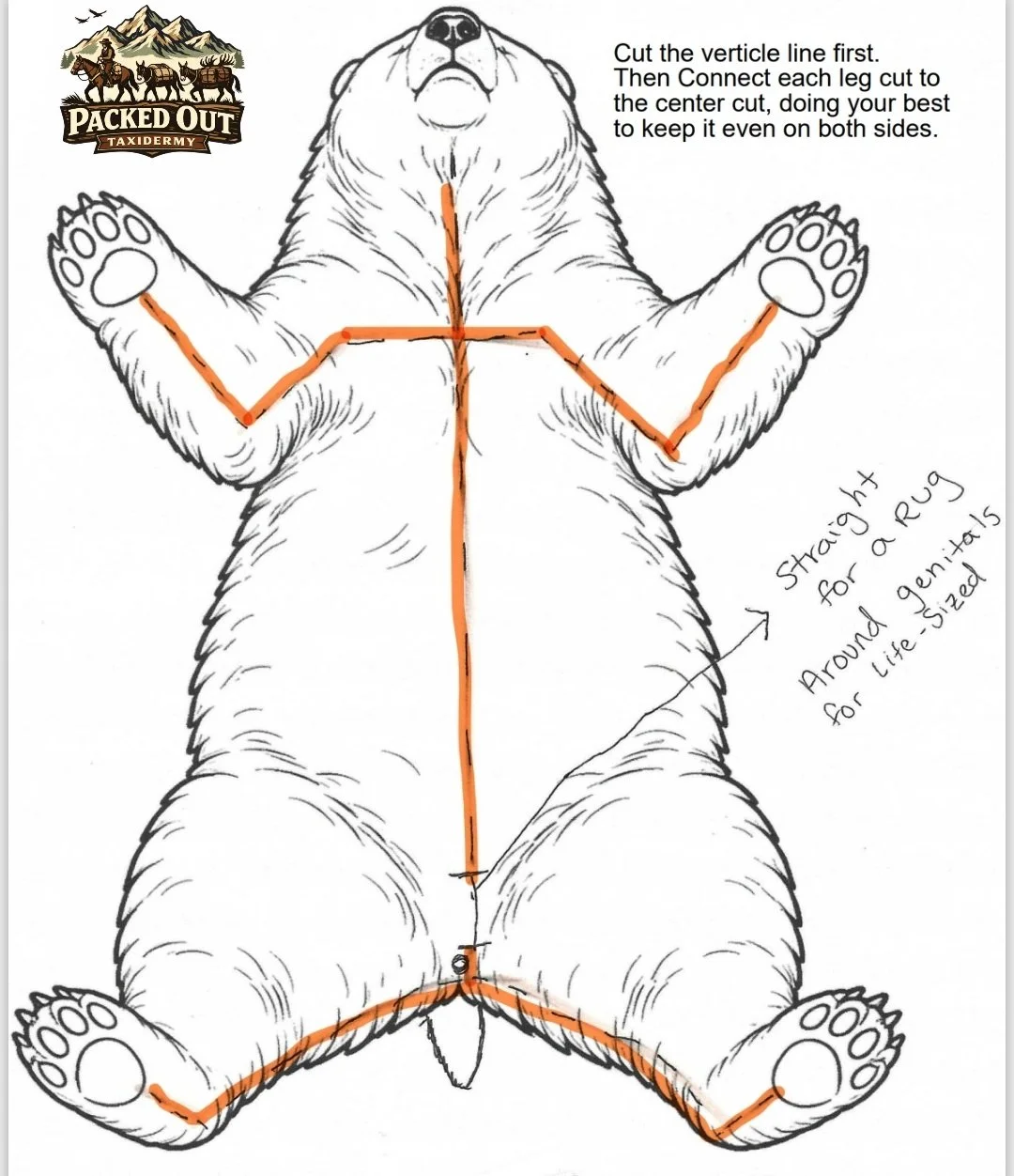
Click the links below for printable guides:
Important Information on Hide Treatment:
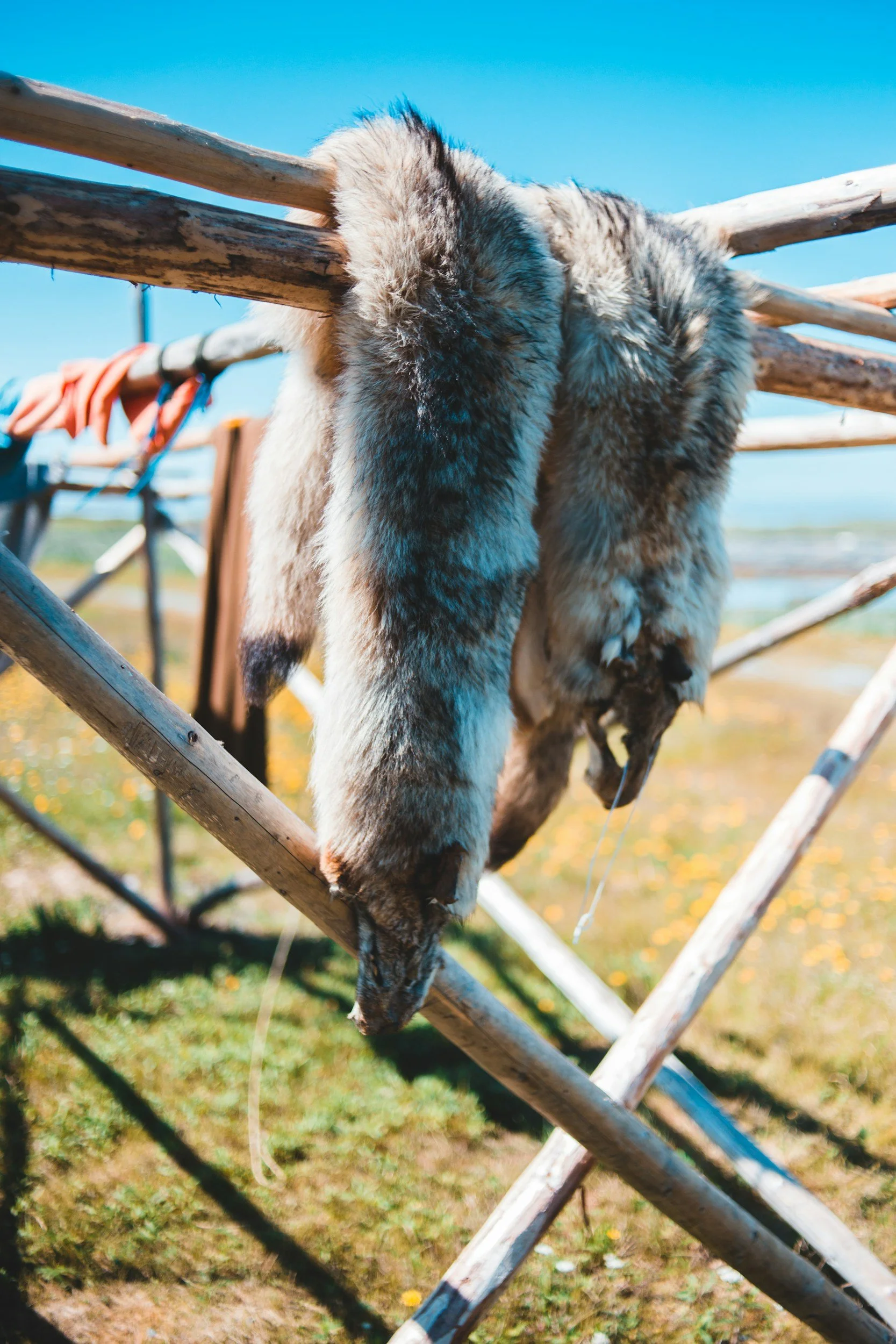
#1 Treat your hide like you do your meat!
Keep cool and dry
Keep out of direct sunlight
Keep dirt off: use the hide as a clean drop cloth for quartering, then shake or brush off debris before packing
Do not drag any part of the cape, especially against the direction of the hair.
Never leave a rolled-up hide or cape in a heap, warm truck bed, or dense pack after skinning. (Heat traps in fast and increases risk of spoilage, hair slippage, and can be detrimental to your mount.)
Keep in a cooler with ice or dry ice, ensuring water drains away from contact with the hide.
*If you have an elk cape that you do not know how to properly remove the skull from/how to cape it, you can put bags of ice in garbage bags (to try to eliminate water on hide) and place them on top of the hide to get you by until you can get to a taxidermist. Again, make sure that the water is draining away from the hide and not just pooling.
Ideally you can put your hide in a freezer or walk-in cooler, but we understand this is not often the case.
You can also bring us your animal and we will help store it if needed until your hunt is over.*Please note: this is dependent on space available at time of request.
I already Skinned it…Now What?!
#1 Treat your hide like you do your meat.
Keep it cool, dry, and out of the sun!
Spoilage in the backcountry
Elk meat can start to spoil in as little as 4 to 6 hours if left undressed and uncooled in warm weather (70°F to 90°F).
Moderate/Cool Weather (40°F–50°F): Undressed meat may last overnight (8 to 12 hours), but deep muscle groups and areas touching the ground (like hips and shoulders) are still at high risk for bone sour.
Properly Cooled & Shaded (Below 40°F): Once quartered, hung in the shade with airflow, or placed in a cooler on ice, meat can safely be preserved for 2 to 3 days in the field, and aged on ice for 7 to 14 days before processing.
The same goes for your hide.
Reminders:
Air out: Hang the cape/hide in the shade with airflow immediately after skinning. Avoid early tight rolling: Thick elk hide rolled too soon traps internal heat for 2–3 days, ruining hair follicles
(Best): Freeze solid quickly if near a freezer. Fold face-and-ears inward to prevent freezer burn
(Backcountry): Keep in a cooler with ice, ensuring meltwater drains away from contact with the hide.
Blood, dirt, and rain are ok, but don’t submerge in water. Use game bags for the head and cape to keep the blow flies away. If your meat doesn’t spoil then your cape should be fine. For best results get your animal to a taxidermist or a freezer ASAP.
Please avoid salting your hide unless is absolutely necessary! This can be a headache to deal with for taxidermist. It requires us to remove the salt and rehydrate areas to prepare the hide for the tannery as all hides have to be fleshed, heads/faces turned, and resalted and dried prior to shipping.
Bears, Mountain Lions, Wolves, and Furbearers (Foxes, Bobcats, Beavers, Etc.) all have to be checked in within 10 days of harvesting the animal. Packed Out Taxidermy can check in Bears and Mountain Lions but you must take all other animals to an Idaho Fish & Game Officer or a Regional Office. The two closest Regional Offices are in Lewiston, ID and McCall, ID.
Short-Term Options After your Hunt:
Frozen Hides will keep for about a year before risk becoming too freezer burned to use. To avoid freezer burn fold skin to skin, leaving hair to the outside. If cape is going to be frozen for an extended amount of time it is highly recommended to go ahead and have the cape tanned before continuing storage.
Salted Hides will keep as long as mice and moisture cannot get into the salted hide to cause damage.
Tanned Hides will keep forever or until you are ready to have them mounted.
We now check Bears & Mountain Lions for Idaho Fish & Game